You know that moment when you open your closet and feel like it’s judging you? Or when your phone buzzes for the hundredth time and you just want to throw it in a drawer? In 2026, a lot of us are done with the chaos. Minimalism isn’t some fancy new trend cooked up by influencers with perfectly empty shelves. It’s the quiet rebellion against too much stuff, too many notifications, and too little breathing room. And right now, it’s everywhere—from tiny apartments in Phnom Penh to bustling homes in big cities. But here’s the funny part: this isn’t the cold, white-box minimalism your aunt tried in 2015. Nope. In 2026, minimalism got a personality upgrade. It’s warmer, cozier, and way more human. People are trading sterile spaces for lived-in comfort, endless shopping hauls for smart “anti-hauls,” and digital overload for real-life calm. It just makes sense when the world feels like it’s spinning too fast.
Why now? After years of fast fashion floods, endless apps, and homes that looked like showrooms but felt like storage units, folks are craving simplicity that actually feels good. Studies show minimalists report way higher life satisfaction, lower stress, and even better bank accounts. Plus, with sustainability on everyone’s mind, owning less just feels right. But don’t worry—this article won’t lecture you like a strict teacher. We’ll laugh about the awkward decluttering fails, share easy tips, and break it all down with lists and tables so you can actually try it without losing your mind. Ready to lighten the load? Let’s dive in. By the end, you might just hug your one good spatula and thank it for not being fifteen other kitchen gadgets you never use.
Why Minimalism is Booming Again in 2026
Minimalism hit the scene years ago promising freedom, but a lot of people bounced back to buying more because the old version felt too strict. Fast-forward to 2026, and it’s back with a vengeance—but softer. People are tired of visual noise everywhere: social media feeds crammed with trends, homes stuffed with impulse buys, and minds racing from constant decisions. A global survey last year found over 78 percent of shoppers now factor sustainability into every purchase, which lines up perfectly with minimalist living.
The big shift? It’s not about owning nothing. It’s about owning what sparks joy and actually gets used. Think of it as editing your life like a good movie—cut the boring scenes, keep the good stuff. Benefits pile up fast. Less clutter means lower cortisol (that sneaky stress hormone), sharper focus at work, and more time for family or hobbies. One study even pegged life satisfaction 23 percent higher for minimalists. Humorously, it’s like finally admitting your kitchen doesn’t need a gadget for every fruit when a knife works fine. In tough economic times, minimalism also saves cash—no more “retail therapy” regrets.
Communities are jumping in too. Slow-living groups, buy-nothing swaps, and repair cafes are popping up everywhere. It’s not lonely anymore; it’s a shared vibe. And with AI and tech making life busier, minimalism feels like hitting pause on a chaotic playlist. Everyone from parents juggling school runs to young professionals ditching side hustles for balance is on board. It just works.
Warm Minimalism: Cozying Up Your Home Without the Clutter
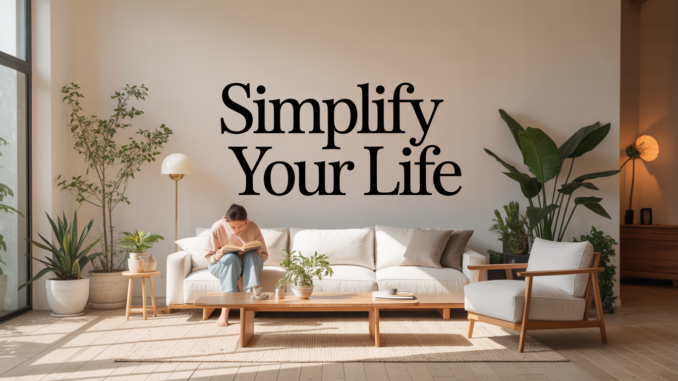
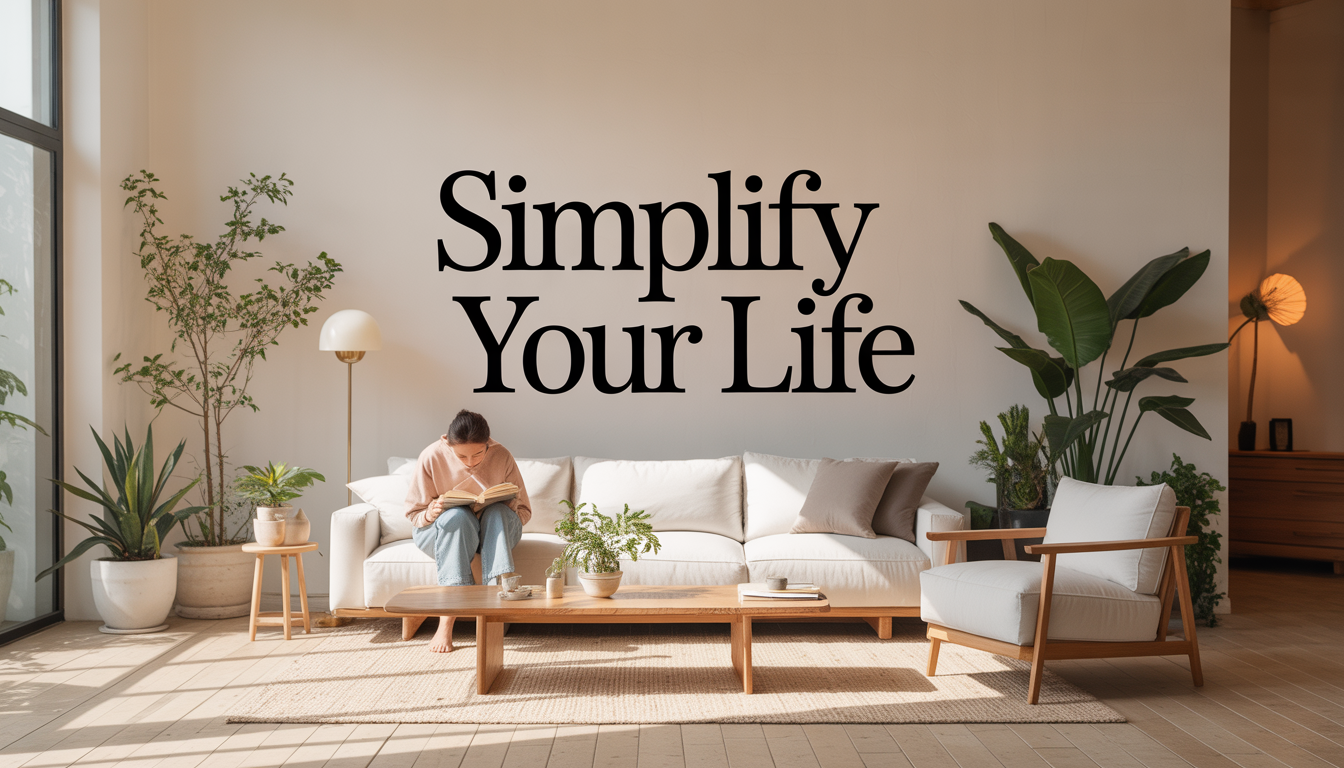
If you picture minimalism as an empty white room with one sad plant, think again. In 2026, “warm minimalism” or “welcoming minimalism” is the star. It keeps things simple but adds texture, soft curves, and earthy vibes so your home feels like a hug, not a hospital. No more cold gallery walls—hello, lived-in charm.
Designers say the old stark look is evolving. Rounded sofas in soft beige, layered linen throws in caramel tones, and natural wood with matte finishes rule. Colors lean into sand, warm gray, clay, and soft caramel instead of icy white. Furniture gets organic shapes: curved benches, fluid side tables, and comfy loungers that invite you to actually sit and relax. Materials shine here—think linen curtains that sway gently, cotton rugs underfoot, and handcrafted wooden pieces that tell a story without screaming for attention.
Picture your living room: one low coffee table in rich oak, a few meaningful books stacked neatly, and a single vase with fresh stems. No 47 throw pillows fighting for space. It’s functional yet inviting. Lighting plays huge too—warm, diffused lamps instead of harsh overheads. Experts call it “craft minimalism,” where quality details like intricate joinery or thrifted linens add soul.
Here’s a quick table comparing old-school versus 2026 minimalism to make it crystal clear:
| Aspect | Old Minimalism (2010s) | 2026 Warm Minimalism |
|---|---|---|
| Colors | Stark white, black, gray | Earthy neutrals like sand, caramel, clay |
| Furniture | Sharp lines, metal, plastic | Rounded, organic wood and natural fibers |
| Feel | Clean but cold, empty | Cozy, textured, lived-in |
| Decor | Almost none | Handcrafted pieces, subtle layers |
| Focus | Less stuff at all costs | Meaningful items with warmth and function |
The Anti-Haul Revolution: Stop Buying Before You Start Decluttering
Forget the old “buy it, regret it, declutter later” cycle. 2026’s anti-haul movement flips the script: pause before you click “add to cart.” It’s all about questioning, “Do I really need this?” instead of “Where will I put it?”
Why? Fast fashion fatigue hit hard. People are opting out of trends entirely, choosing quality pieces that last years. It saves money, cuts waste, and feels empowering. Imagine walking past a sale rack and thinking, “Nah, my closet is already full of winners.” Funny how liberating that is—until your brain tries to convince you that you need that novelty mug shaped like a cat.
Tips to join in: Use the 30-day rule. Spot something cute? Wait a month. Still want it? Maybe. Most times, the urge fades. Apps track spending to show where leaks happen. Communities share “no-buy” challenges online, cheering each other on like a support group for reformed shoppers. Result? Smaller ecological footprint and bigger savings. One study ties this to reduced impulsive buys and less financial stress. It’s minimalist gold.
Capsule Wardrobes 2026 Edition: Quality, Sustainability, and a Touch of Luxury
Wardrobes got a major minimalist glow-up. No more 50 shirts you wear twice a year. Capsule wardrobes—30 to 40 versatile pieces that mix and match—are huge. Focus on calm neutrals: beige, navy, gray, black, and soft whites. Fabrics? Sustainable linen, organic cotton, and durable knits that feel like a cloud.
Key 2026 staples from fashion forecasts include wide-leg pants for easy elegance, oversized blazers that dress up anything, clean denim without rips, basic high-quality T-shirts, elevated knitwear, minimalist sneakers, and gathered loafers that add subtle flair. Monochrome layering keeps it simple yet polished. Accessories stay understated—a thin gold chain or sleek belt.
Here’s a handy list of must-haves for your 2026 capsule:
- Wide-leg trousers in neutral tones (dress them up or down)
- Oversized blazer for instant sophistication
- Clean straight-leg jeans
- 3-4 premium basic tees
- Mock-neck or crewneck knits for layering
- Minimalist white sneakers
- Sophisticated satchel or leather tote
- Double-breasted coat for cooler days
Outfit examples? Beige wide-legs with a white tee and sneakers for errands. Charcoal blazer over dark denim and a soft knit for work meetings. It saves morning decision time—hello, extra sleep. Sustainability shines: buy once, wear forever. One editor joked her capsule wardrobe made her feel like a spy—effortless and always prepared. Trends lean softer with relaxed lines and subtle textures, ditching hard edges for real-life comfort.
Digital Detox 2.0: Minimalist Tech and Screen Life
Phones and laptops used to rule our lives. Now, digital minimalism pairs with physical decluttering. Inbox zero, app audits, and tech-free hours are standard. Delete apps you haven’t opened in 30 days. Unsubscribe from emails that just clog your brain.
Many switch to “dumb” phones for weekends or use focus modes ruthlessly. Screens get organized into simple folder structures. The payoff? Sharper focus and less anxiety. Research shows digital clutter stresses us as much as physical junk. One hack: weekly 10-minute resets—clear notifications, organize files. It’s like Marie Kondo for your phone. Families set device-free dinners, turning screens off to actually talk. In 2026, it’s mainstream mental health strategy.
Wellness and Sleep Minimalism: Less Stuff, More Rest
Sleep minimalism strips away complicated routines. No more 12-step bedtime rituals or trackers everywhere. Focus on simple basics: dark room, comfortable bedding, consistent wind-down without gadgets. “Invisible wellness” hides tech—smart lights that dim naturally, hidden air purifiers.
Minimalist fitness? Walks in nature or bodyweight moves at home instead of crowded gyms full of gear. Beauty follows “skinimalism”—fewer high-quality products like a good cleanser, moisturizer, and sunscreen. Less overwhelm, better results. People report deeper sleep and calmer days. It’s minimalist magic for your body.
Community and Slow Living: Minimalism Isn’t Solo Anymore
Gone are lonely minimalists in empty apartments. 2026 embraces group vibes—buy-nothing groups, repair cafes, and slow-living meetups. Sharing tools or swapping clothes builds connections while cutting consumption. It’s intentional living together. Families teach kids the one-in-one-out rule early. It feels supportive, not restrictive.
How to Get Started: Practical Steps Without the Overwhelm
Ready to try? Start small. Define your “enough.” Pick one drawer. Use the three-question rule: Used it in 12 months? Has a home? Would you buy it again? Tackle categories like clothes first.
Weekly 10-minute reset keeps momentum. Digital side: audit subscriptions. Here’s a beginner table of habits:
| Habit | Why It Works | Easy Start Tip |
|---|---|---|
| One-in-one-out rule | Maintains space | New shirt? Donate an old one |
| 20-second rule | Quick tidying | Put items away in under 20 seconds |
| 2-minute rule | Handles small tasks instantly | Do it now if it takes 2 minutes |
| North rule (no new) | Anti-haul practice | Pause buys for 30 days |
| Give everything a spot | No more lost stuff | Label drawers or bins |
The Funny Side of Going Minimalist (And Pitfalls to Dodge)
Minimalism has hilarious moments. You declutter the garage and rediscover your “will to live” under old tennis rackets. Or you donate 20 mugs only to buy one fancy one because “it sparks joy.” Pitfalls? Going too extreme and missing cozy vibes. Or family pushback—“But we need this random gadget!” Balance with humor. It’s progress, not perfection.
Real Benefits That Make It Worth It
Beyond laughs, science backs it: lower stress, better finances, stronger focus, and that 23 percent life satisfaction boost. Environmentally, less stuff means less waste. It just feels lighter.
Wrapping It Up: Your Minimalist Life Awaits
2026 minimalist trends boil down to this: less noise, more life. Whether it’s a warmer home, smarter wardrobe, or calmer mind, the shift feels good. Start tiny, laugh at slip-ups, and watch space open up for what matters. You might not end up with one spatula (though it’s tempting), but you’ll gain freedom. Go on—try one change today. Your future self, with a lighter load and bigger smile, will thank you.
Leave a Reply